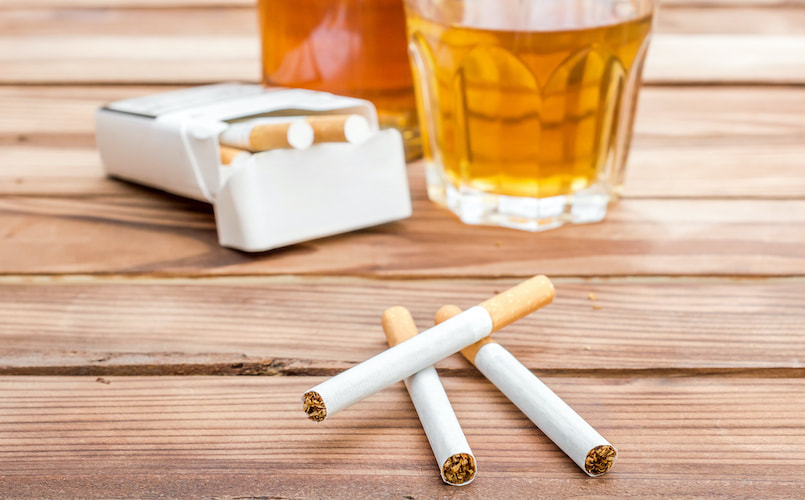
Because some of them include slims, unfiltered, cork tips, and filtered
The PFS currently includes many codes that pay for various components of care to manage patients with fractures over a course of treatment, such as transitional care management (TCM) and other care management services, evaluation and management visits (including the inherent complexity add-on for office/outpatient visits), principal illness navigation services, community health integration services, and the social determinants of health risk assessment
We believe HCPCS code G0136 may serve as a reasonable proxy to reflect the value and resources required for the type of assessment service activities that OTPs are required to provide according to SAMHSA requirements under 8.12(f)(4)(i), including an assessment to identify a patient's unmet HRSNs or the need for harm reduction intervention and recovery support services that are critical to the treatment of an OUD
Cancer risk and chewing tobacco Users of snuff and chewing tobacco are at an increased risk for certain types of cancer, most notably cancer of the oral cavity including cancers of the following: Cheek Gums Lips Tongue Floor and roof of the mouth Some studies have suggested a link between the use of chewing tobacco and the development of the following: Pancreatic cancer Esophageal cancer Stomach cancer Other health risks of chewing tobacco Those who use chewing tobacco have an increased risk of the following: Developing gum diseases and gum recession (pulling away of the gum tissue from the teeth) Leukoplakia (whitish patches inside the mouth that can become cancerous) Abrasion (wearing down) of teeth Staining of teeth Tooth decay Tooth loss All of the above have been linked to chewing tobacco use
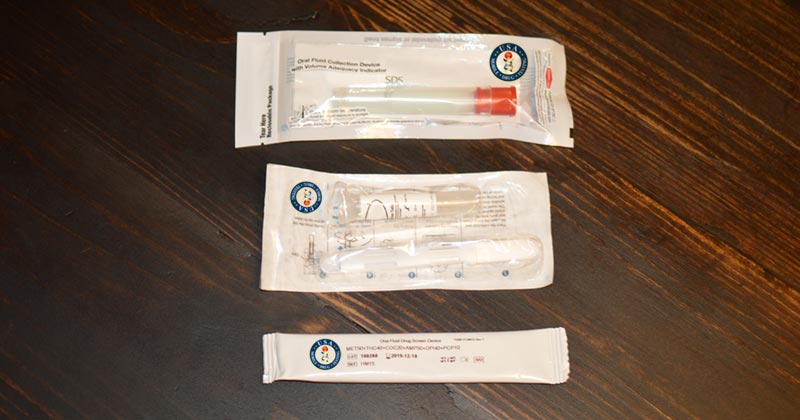
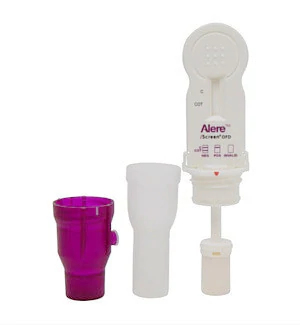
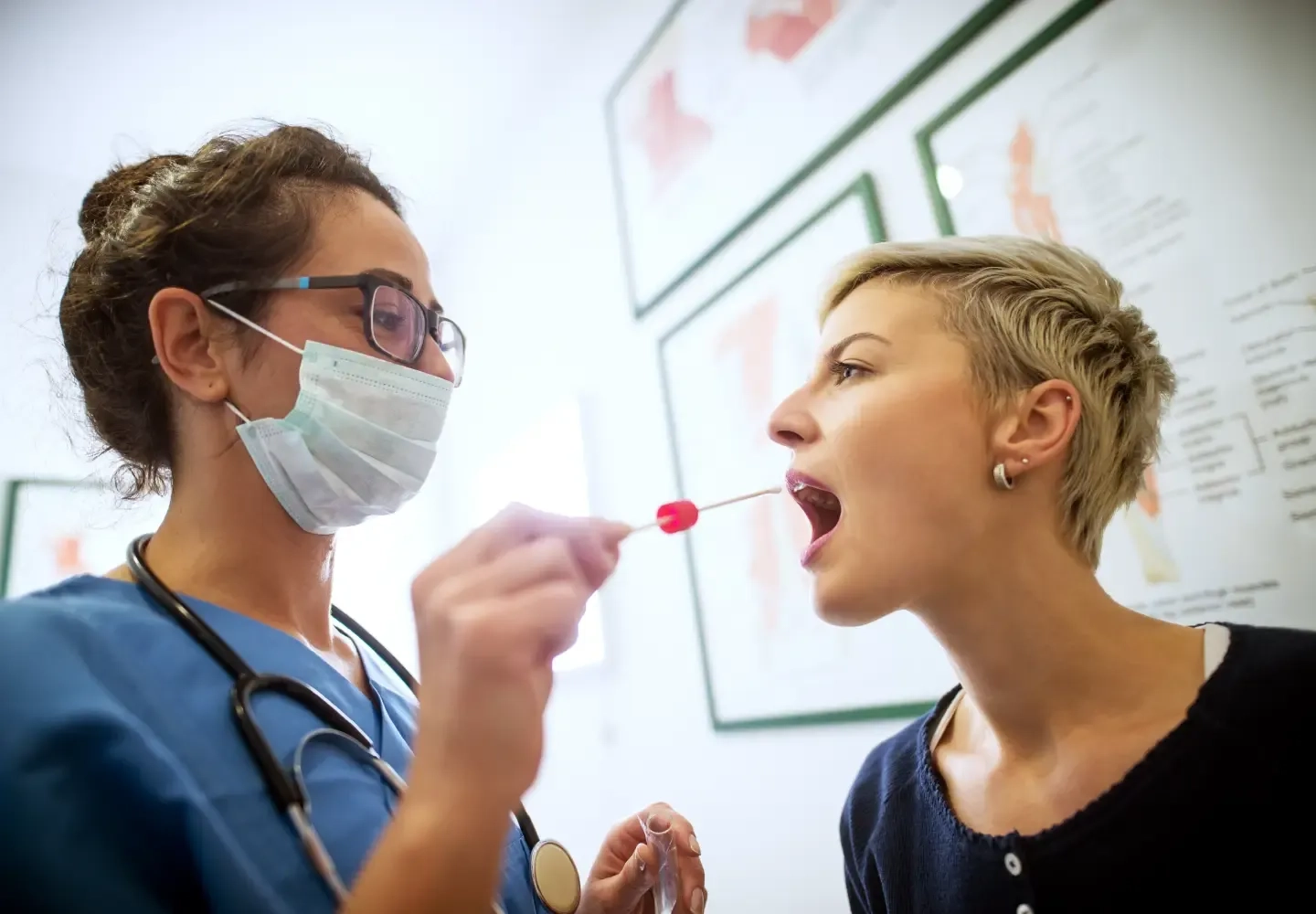
:max_bytes(150000):strip_icc()/what-is-a-mouth-swab-drug-test-2060405_FINAL-edit-01-242a682e93d448628e31d7d7d05af1d9.jpg)